
We all know the famous faces of the animal kingdom—the African lions, the Siberian tigers, and the great blue whales. But what about the shy, the bizarre, and the truly spectacular species that thrive off the beaten path? These “hidden gems” of nature offer experiences so profound and unique that they belong on every traveler’s bucket list.
Discovering the Planet’s Lesser-Known Animal Spectacles
Forget the standard safari route for a moment. The world is vast, and many of its most magnificent natural events involve creatures you might never have heard of. These are not just casual wildlife sightings; they are epic congregations and dazzling behaviors that showcase the pure magic of evolution.
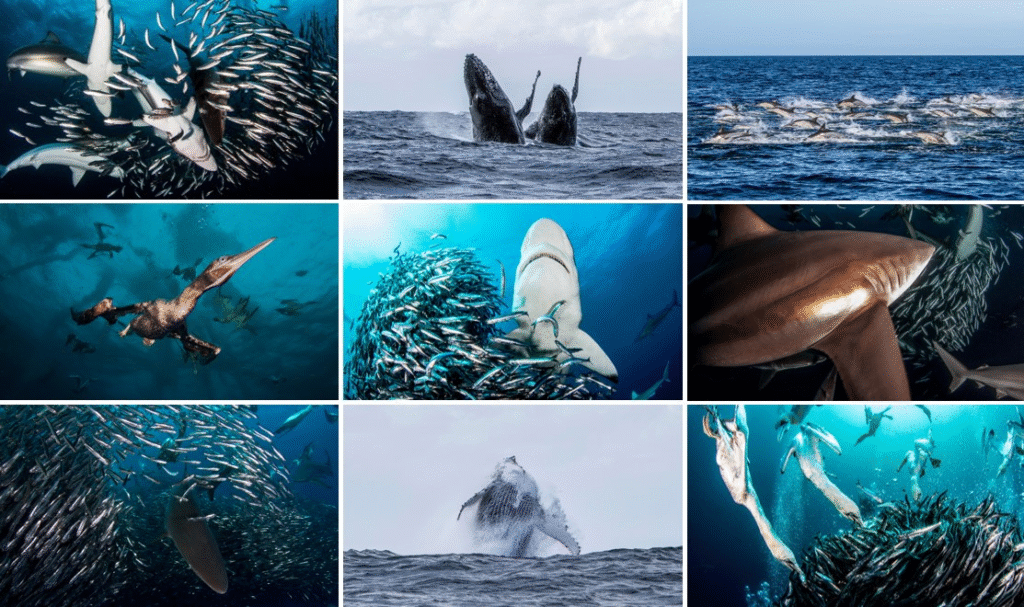
- The Sardine Run, South Africa: This isn’t just fish swimming; it’s considered the Greatest Shoal on Earth. Every year, billions of sardines move up the east coast of South Africa. This colossal migration attracts a feeding frenzy unlike any other, involving thousands of dolphins, whales, sharks, and gannets diving from above. Witnessing this massive, coordinated hunt is a powerful reminder of nature’s raw, intense energy.
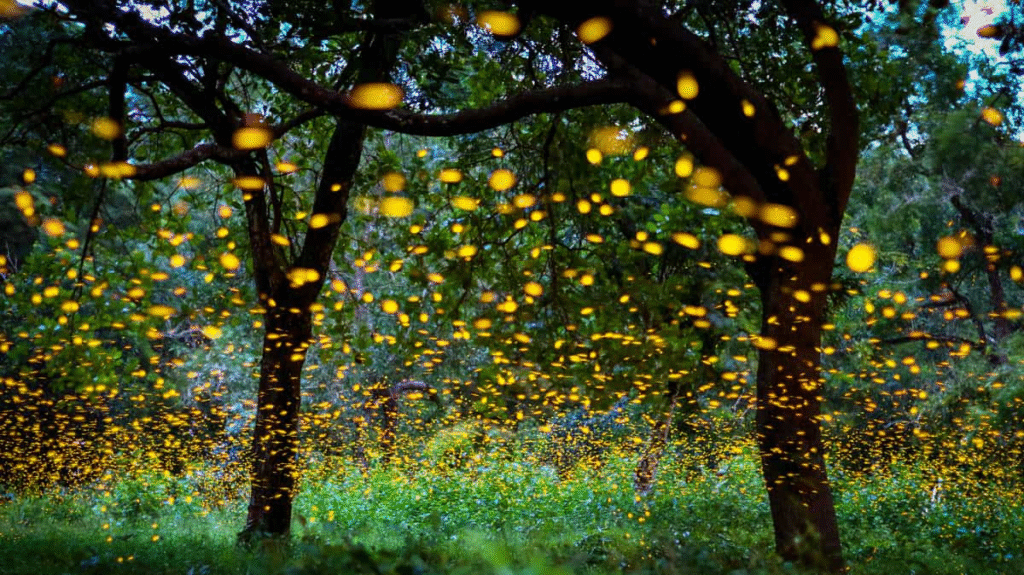
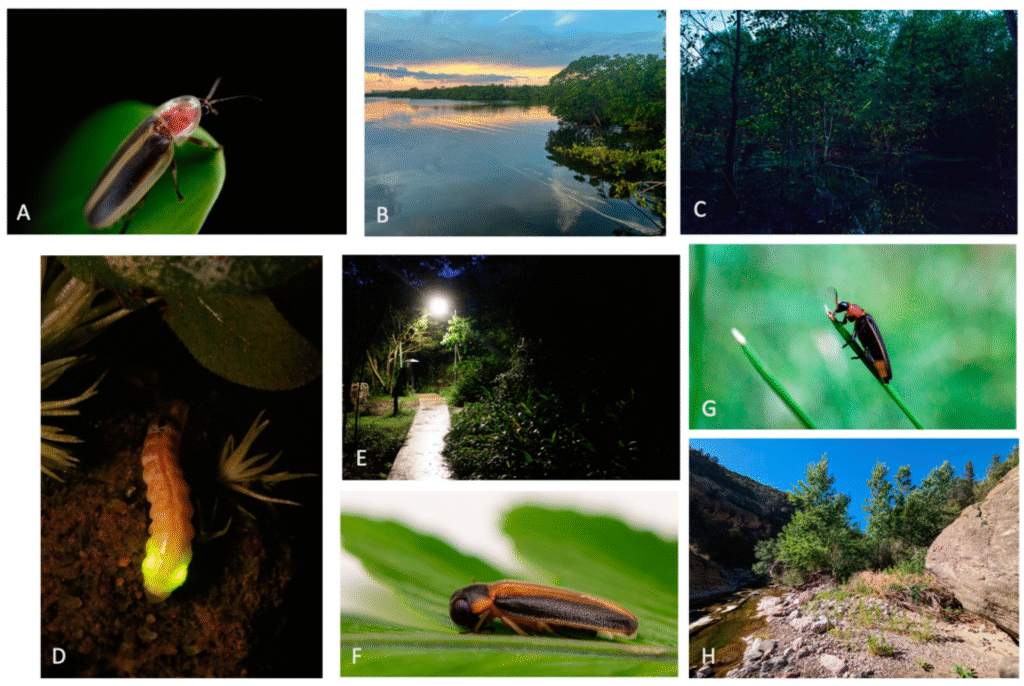
- The Firefly Synchrony, Southeast Asia & USA: Imagine a warm summer night where every light in the landscape blinks on and off in perfect, split-second harmony. Certain firefly species, notably the Photinus carolinus in the Great Smoky Mountains (USA) and similar species in places like Malaysia and Thailand, synchronize their bioluminescent flashes. This biological light show isn’t just beautiful—it’s a complex mating signal that turns the forest into a living, twinkling theater.
Unique Mammals and Their Rare Habitats
Some of the rarest wildlife encounters require a journey to specialized ecosystems to appreciate their distinct adaptations.
- The Narwhal, Arctic Ocean: Often called the “unicorn of the sea,” the narwhal is famous for the single, long tusk (which is actually an elongated canine tooth) that projects from the male’s head. Found almost exclusively in the cold, deep waters of the Arctic, spotting these elusive whales is a true achievement for any wildlife enthusiast. Their mysterious existence and remote habitat make them one of the most compelling creatures on the planet.
- The Proboscis Monkey, Borneo: If you want a primate that looks straight out of a children’s book, look no further. This monkey is instantly recognizable by its large, floppy nose, particularly pronounced in males. Scientists believe this oversized feature helps the male attract mates and amplify his mating calls. You can find these endearing, leaf-eating monkeys mostly near the rivers and mangrove forests of Borneo.
Incredible Natural Phenomena from the Smallest Creatures
We often focus on large animals, but the miniature world offers some of the most stunning spectacles.
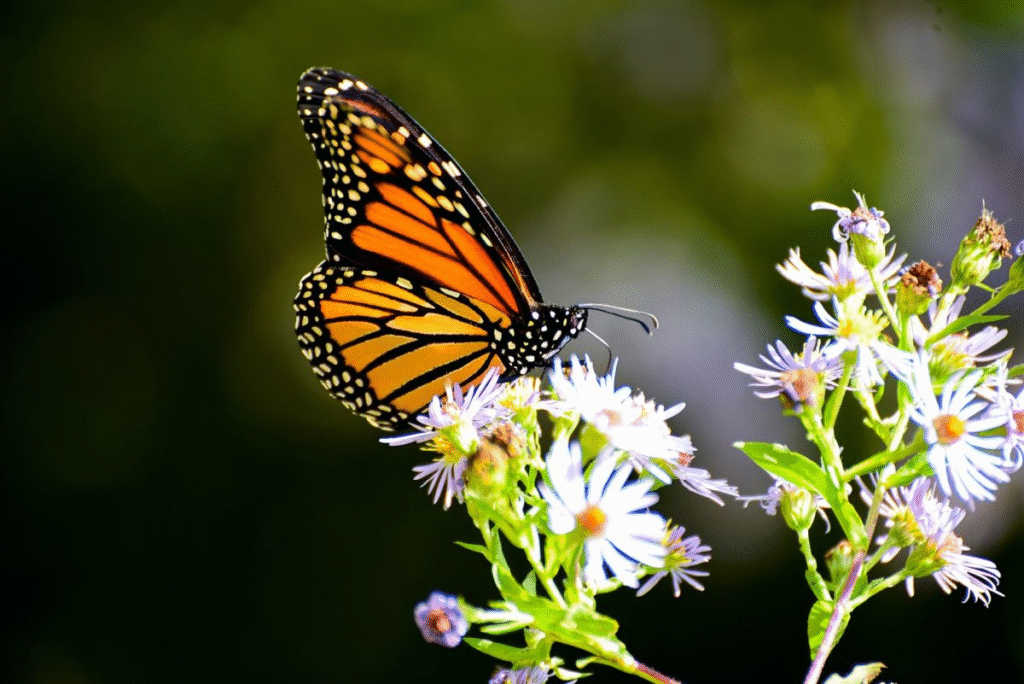
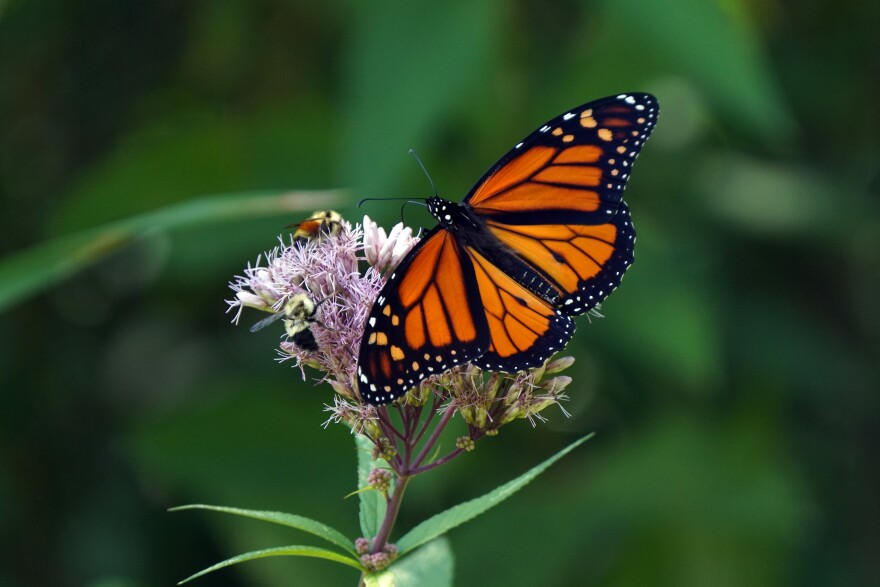
- The Monarch Butterfly Migration, Mexico: Every autumn, millions of monarch butterflies from across North America embark on an incredible journey south to the oyamel fir forests high in the mountains of Central Mexico. They cluster on the trees so densely that the branches look bright orange. To see the forest canopy draped in these delicate creatures is to witness one of the longest and most incredible insect migrations known. (Original Insight: Imagine traveling thousands of miles on wings as thin as paper—it really puts human endurance into perspective!)
- The Blue Dragons (Glaucus atlanticus), Warm Oceans: These aren’t mythical beasts, but tiny, beautiful sea slugs that float upside down on the ocean’s surface. With their shimmering blue and white bodies, they look like miniature, elaborate alien spacecraft. They absorb the stinging cells from the jellyfish they eat, using them for their own defense, making this tiny creature a surprisingly formidable predator.
Planning Your Encounter with the Wonders of the Wild
When considering a trip to see any of these natural treasures, remember that patience and respect are key. Most of these events depend on specific seasonal timings (like the Sardine Run in May-July or the Monarchs in November-March), and their delicate habitats require responsible tourism. Always choose local, eco-conscious tour operators to ensure your experience supports conservation efforts and doesn’t disturb these amazing animals.
#NatureLovers #WildlifePhotography #ExploreNature #NatureAndWildlife #IntoTheWild #EcoTravel #NatureVibes #WildlifeConservation #NatureBeauty #AdventureAwaits #PlanetEarth #Anslation#carrerbook#TravelForNature #NatureAddict #SaveTheWildlife #GoGreen #NatureExplorer #WildlifeJourney #NatureGram #WildernessCulture #EarthLover #EcoTourism2025 #DiscoverNature #SustainableTravel #OutdoorAdventure #NatureInFocus