
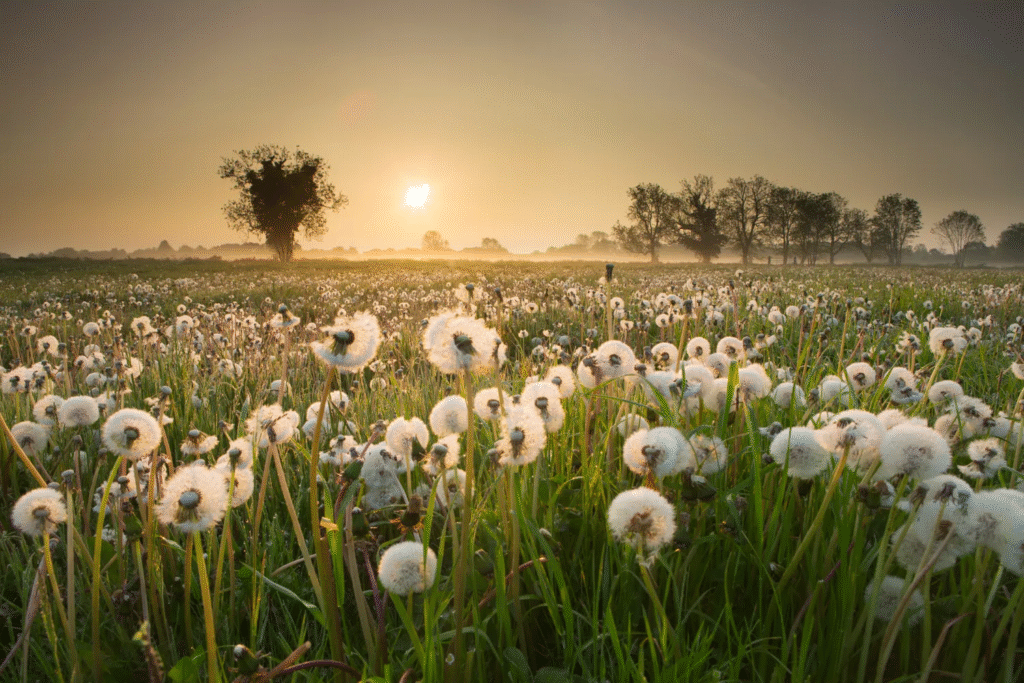
Why Photographing Nature is So Rewarding
Nature photography is more than just clicking a shutter; it’s an immersive experience that deepens your connection to the world around you. Think about it: every time you step outside, you’re faced with a completely unique, unrepeatable scene. A cloud formation that won’t appear the same way twice, the light hitting a tree trunk at a specific angle, or a fleeting wildlife moment.
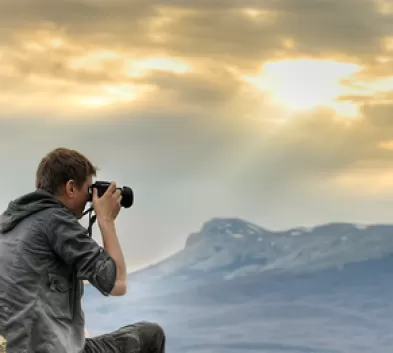
This type of photography forces us to slow down, be patient, and truly see the details we often rush past. It’s an incredibly therapeutic hobby, offering a perfect blend of technical challenge and creative freedom, whether you’re documenting a towering mountain range or the intricate veins of a single leaf.
Essential Gear for the Nature Photographer
You don’t need a huge, expensive kit to start, but having the right tools can make a big difference in the field. Focus on quality over quantity.
1. The Camera Body
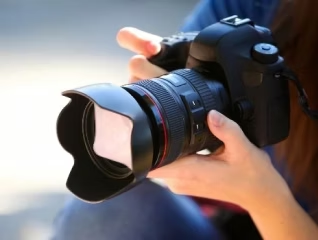
While full-frame cameras offer superior low-light performance and dynamic range, don’t feel limited. Modern mirrorless or DSLR cameras—even entry-level ones—will work perfectly. The real skill is in knowing how to use the camera you already own. Focus on learning how to control your exposure settings (aperture, and shutter speed) first.
2. Lenses: Your Viewfinder to the World
Choosing the right lens is often more crucial than choosing the camera body itself.
- Wide-Angle Lens (16-35mm): These are fantastic for landscapes. They allow you to include a massive amount of scenery, perfect for grand vista shots of mountains or coasts.
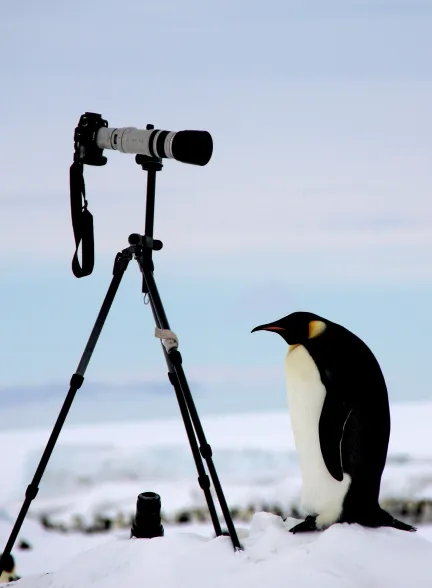
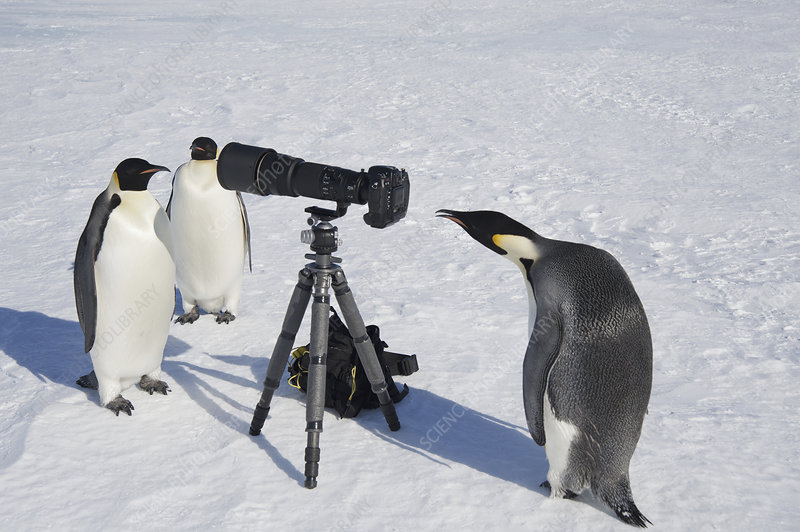
- Telephoto Lens (70-200mm or higher): Essential for wildlife and detailed compositions. These lenses compress the scene, making distant objects appear closer, and are necessary for keeping a safe and respectful distance from animals.
- Macro Lens: If you want to dive into the world of insects, dew drops, or flower textures, a dedicated macro lens provides the necessary magnification to capture stunning, tiny details.
3. The Unsung Hero: The Tripod
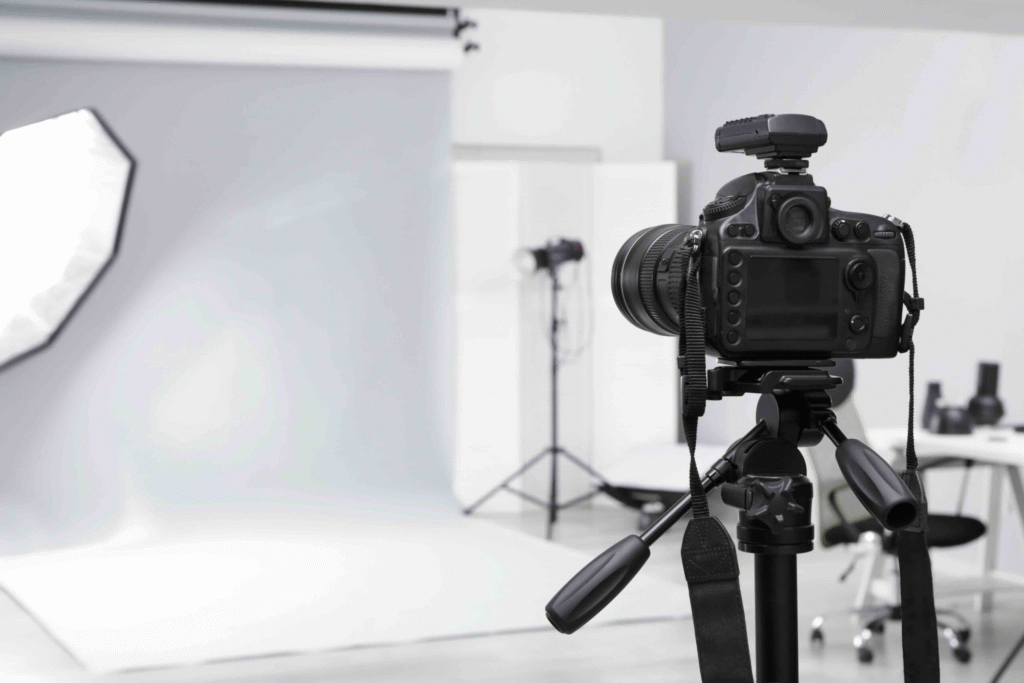
A sturdy tripod isn’t optional; it’s a necessity for professional-looking nature shots. It ensures sharpness, especially in low-light conditions like sunrise or sunset, and is essential for techniques like long exposures (blurring water or clouds).
Mastering Light: The Most Important Element
Light is the foundation of all photography, and in nature, it is constantly changing. Learning to predict and use the available light will transform your images.
The Golden Hour and Blue Hour
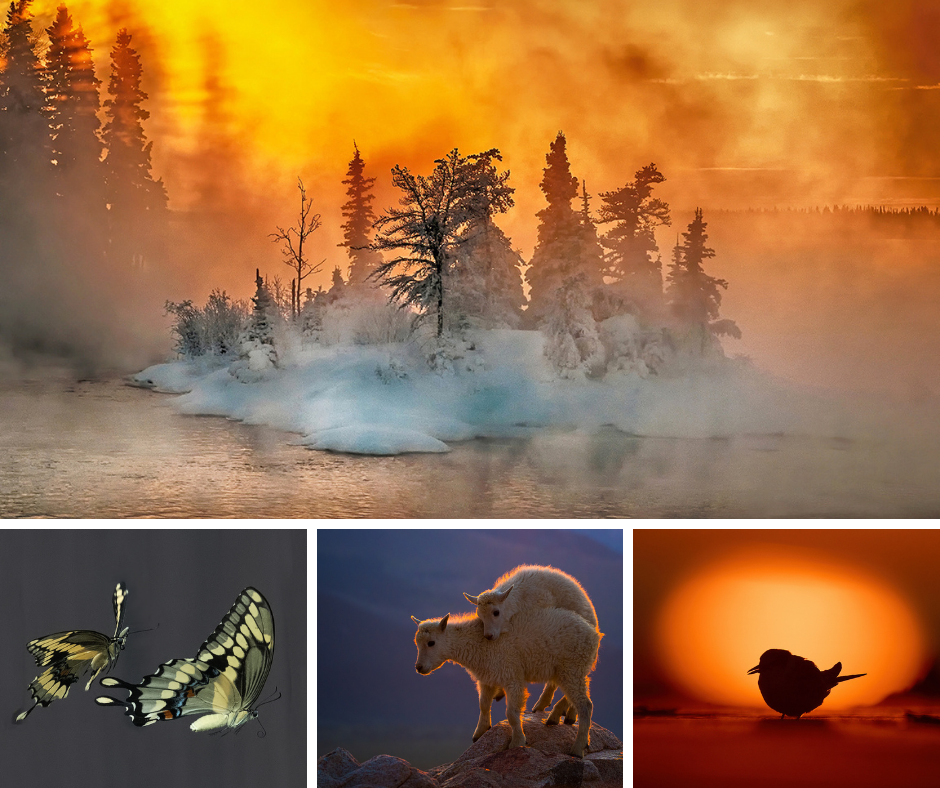
Forget midday. The best light happens during the Golden Hour (the hour after sunrise and the hour before sunset). This light is soft, warm, and creates long, beautiful shadows that add depth and drama. Right before the sun rises and right after it sets is the Blue Hour, which produces a serene, deep blue tone perfect for cityscapes or moody twilight landscapes.
Working with Harsh Midday Light
Direct, midday sun creates high contrast and harsh shadows, making photos look flat or overexposed. If you must shoot during this time, try to find subjects in the shade (like under a forest canopy) or focus on dramatic black-and-white conversions.
Composing for Impact: Making Your Photos Stand Out
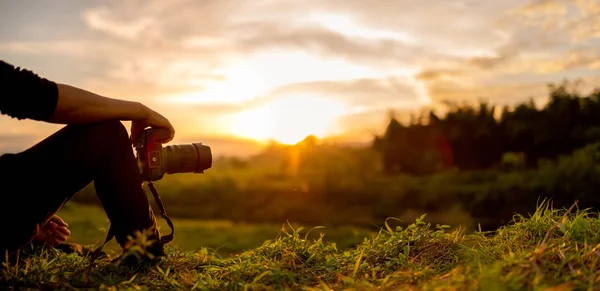
A strong technical photo is good, but a strong composition is what makes a photo memorable.
1. The Rule of Thirds
Imagine dividing your frame into nine equal parts using two vertical and two horizontal lines. Instead of centering your main subject (which is often boring), place important elements where these lines intersect. For example, place the horizon along the top or bottom third line, not right in the middle.
2. Foreground Interest
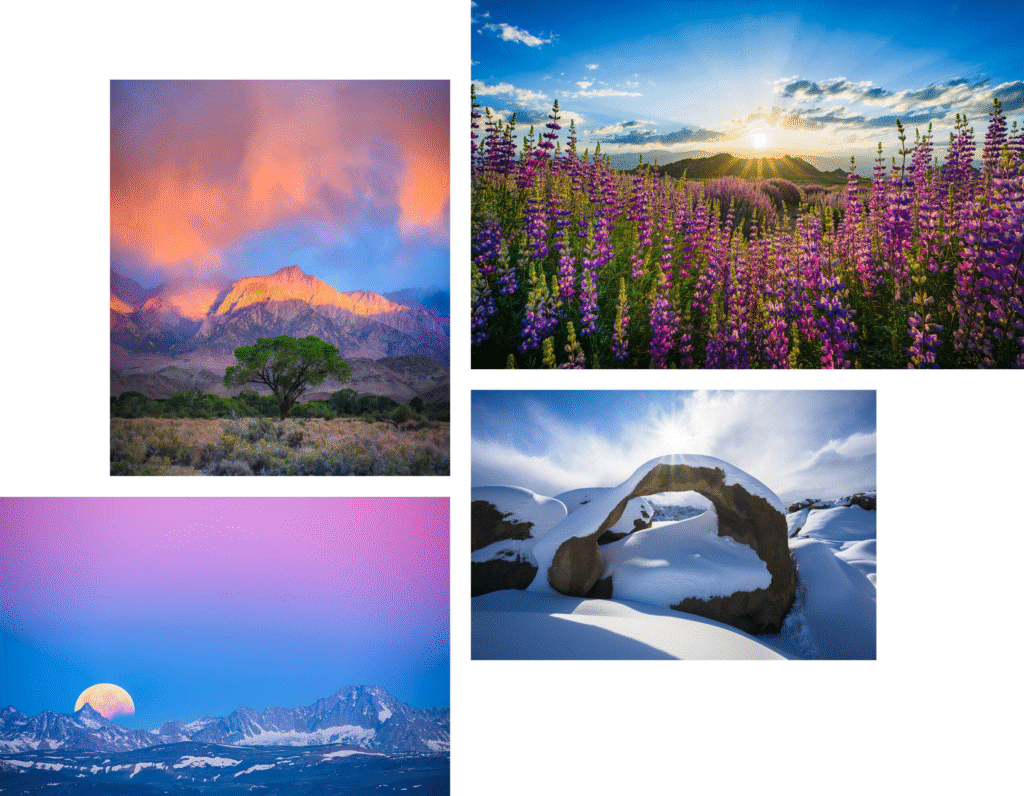
A common mistake in landscape photography is only focusing on the distant scene. To draw the viewer’s eye into the picture, always look for something compelling to place in the foreground. This could be a unique rock, a patch of flowers, or a winding path. It adds scale, depth, and immediate visual interest.
3. Leading Lines
Use natural elements like rivers, fences, roads, or trails to create leading lines that guide the viewer’s attention from the edge of the frame directly to your main subject. This technique is incredibly powerful for creating a sense of journey and distance.
Patience and Ethics in Wildlife Photography
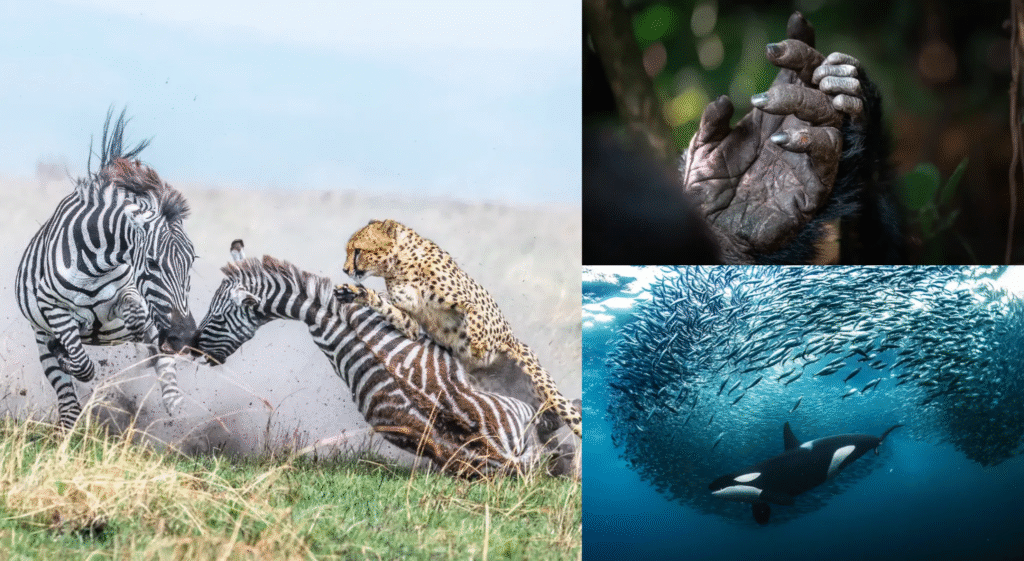
Photographing animals requires a unique set of skills, primarily patience and respect.
- Be a Patient Observer: Wildlife isn’t paid to pose. You may spend hours waiting for a single shot, but the payoff of capturing natural behavior is worth the time investment.
- Know Your Subject: Researching the animal’s behavior and habitat will increase your chances of being in the right place at the right time.
- Maintain Distance: Always use a telephoto lens to avoid disturbing or stressing the animals. Never bait, chase, or approach wildlife too closely—your safety and the animal’s well-being always come first. The goal is to document nature, not interfere with it.
Final Thoughts: Get Out and Explore
The most important advice for any nature photographer is simple: The best camera is the one you have with you, and the best location is outside your front door. Don’t wait for an epic trip to start shooting. Practice composition, light, and exposure control right where you live. The more time you spend engaging with the natural world through your lens, the more intuitive and satisfying your photography will become.
#Nature #Wildlife #NaturePhotography #WildlifePhotography #NatureLovers #AnimalLovers #ExploreNature #WildlifeConservation #NaturePerfection #PlanetEarth #EcoTourism #SaveWildlife #Carrerbook#Anslation#NatureGram #NatureVibes #IntoTheWild #WildlifePlanet #NatureBeauty